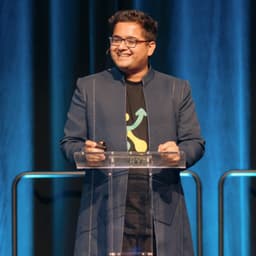
Manu Chopra
CEO and Co-Founder of Karya Inc
About
I'm Manu Chopra, the CEO and Co-Founder of Karya Inc. My journey has been defined by a commitment to using technology as a tool for social equity, from lecturing at Stanford on 'Tech for Good' to my time as a Research Fellow at Microsoft. At Karya, we are focused on tackling the 'poverty of opportunity' by providing dignified digital work to thousands of people across rural India, ensuring they are co-creators of the AI revolution rather than just bystanders. I am deeply passionate about linguistic inclusion and building AI that respects local 'lived realities.' Whether it's developing foundation models for tribal languages or creating ethical data pipelines, my goal is to redistribute power within the AI value chain. I’m always looking to connect with fellow social entrepreneurs, AI researchers, and policymakers who believe that context is just as important as capability.
Networking
What I can offer
- ›Ethical data sourcing via the Samudaye platform
- ›Expertise in building 'AI for Good' pipelines
- ›Insights into low-resource language modeling and digital public infrastructure
Looking for
- ›Social entrepreneurs and policymakers
- ›Collaborations with major AI labs and philanthropic organizations
- ›Expanding Karya’s model to new geographies
Best fit for
Current Interests
Background
Career
Started as a student leader and lecturer at Stanford focusing on tech for good, transitioned to Microsoft Research tackling poverty through digital work, and eventually founded Karya Inc to scale ethical data work.
Education
Bachelor of Science (B.S.) in Computer Science, Stanford University (2013 – 2017). Focus area: Artificial Intelligence.
Achievements
- ›Named to the TIME 100 Most Influential People in AI
- ›Brought digital work to over 130,000 individuals through Karya
- ›Launched the Bhili Foundation Model serving 13 million farmers
- ›Patented an anti-molestation device awarded by the President of India
- ›Forbes x Accel India’s Top 30 Minds in AI
Opinions
- Users should be 'authors' of technology, not just beneficiaries.
- Representation in data is insufficient without a redistribution of power within the AI value chain.
- AI capability scales quickly, but context does not.
- It is an individual's right to own their financial future through fairly compensated, dignified digital work.